

How to Compare Speed, Cost, and Certainty When Selling a Home
Key Takeaways
- The highest offer is not always the offer that leaves the seller with the most money at closing.
- Speed can reduce mortgage, tax, insurance, utility, maintenance, and temporary-housing costs.
- Traditional listings, for-sale-by-owner sales, and direct cash sales involve different trade-offs.
- Compare written terms, buyer reliability, closing costs, and timing before choosing a path.
- Gathering documents early can help identify ownership, title, and payoff issues before they delay closing.
Selling a home is rarely just about selecting the biggest number on an offer. A homeowner may need to sell your house fast because of a job relocation, inheritance, divorce, financial pressure, an empty property, or a home that needs more work than they want to take on. In those situations, a clear comparison of price, timing, cost, and risk matters more than a single headline offer.
The best route depends on the property’s condition, the seller’s deadline, and how much uncertainty they can manage. A slower sale can bring a higher price, but it can also mean more payments, showings, repairs, and the possibility that a buyer’s financing or appraisal may delay the sale.
Why Speed Is Only One Part of the Decision
A quick closing can be valuable when each extra month of ownership adds expenses. These may include the mortgage, property taxes, insurance, utilities, lawn care, repairs, homeowners association dues, storage, or temporary housing. Speed is useful, however, only when the buyer can actually complete the purchase and the contract clearly explains each party’s obligations.
For example, a seller could receive a higher financed offer that requires inspections, an appraisal, and loan approval, or a slightly lower offer with fewer contingencies and a sooner closing date. The second offer may yield a better result if it avoids months of holding costs or a failed transaction that would send the home back to market.
The Main Ways to Sell a Home
Traditional Listing
A traditional listing can give a home broad exposure to buyers and may create competition when the property is well priced and market-ready. It commonly involves preparation, professional photos, showings, negotiations, inspections, appraisal, title work, and a buyer’s financing process. This approach can fit sellers who have time to prepare the property and want to pursue the market value supported by available buyers.
For-Sale-by-Owner
A for-sale-by-owner sale gives the homeowner more control, but it also places the responsibility for pricing, marketing, scheduling, disclosures, negotiation, and contract coordination on the seller. Avoiding certain service costs does not automatically lead to higher net proceeds. Sellers should consider professional help for contracts, title work, and state-specific disclosures, especially when ownership or property conditions are complicated.
Direct Cash Sale
A direct cash sale may reduce showings, repairs, staging, and financing-related delays. In exchange for convenience, an offer may be lower than what a fully prepared home could bring through a broad-market listing. Request current proof of funds, read the written agreement carefully, and compare more than one offer when possible.
How to Calculate Real Net Proceeds
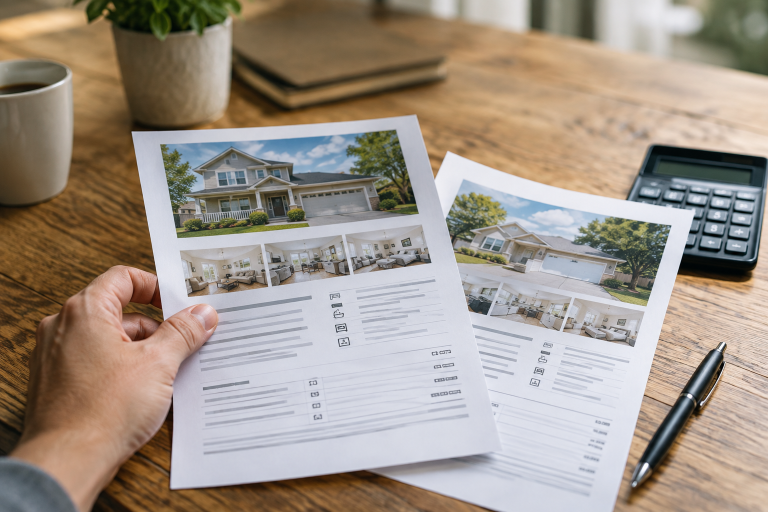
Compare what you may keep, not merely the advertised purchase price:
Expected Sale Price − Selling Costs − Repairs − Mortgage Payoff − Holding Costs = Estimated Net Proceeds
Selling costs may include commissions or service fees, title and escrow charges, transfer taxes, attorney fees, buyer credits, and other agreed expenses. Also account for cleaning, staging, landscaping, storage, moving, and any liens or loan payoff amounts. Use the same written comparison sheet for every option so that one offer is not evaluated more generously than another.
When Repairs Are Worth the Time
Start with lower-cost improvements that improve presentation or address visible concerns, such as cleaning, decluttering, better lighting, basic landscaping, and repairs to obvious safety issues. Major renovations may be less practical when a seller has a short deadline or cannot reasonably recover the cost through a higher sale price. In any sale, disclose known property problems when required by applicable law.
How to Review a Written Offer
- Confirm the exact purchase price and proposed closing date.
- Review inspection, appraisal, financing, sale of other property, and other contingencies.
- Identify who pays title, escrow, recording, transfer, and settlement costs.
- Check the earnest-money amount, deposit deadline, and refund rules.
- Look for assignment rights that could allow the buyer to transfer the contract.
- Verify proof of funds or lender information and read cancellation terms before signing.
Paperwork That Can Prevent Delays
Gather the deed, mortgage information, property-tax records, insurance details, repair receipts, permits, and homeowners association documents early. Probate, divorce, trusts, inherited property, tenants, unpaid taxes, and liens can all require additional coordination. When ownership is complex, contact a title company, settlement agent, or real estate attorney before accepting an offer.
At closing, compare final charges, credits, and payoff figures with the agreement. The closing cost details on the Closing Disclosure can help borrowers review settlement charges and seller credits in mortgage transactions.
Taxes and the Final Sale Amount
Tax treatment can depend on whether the property was a primary residence, how long it was owned and used, whether it was rented, how it was inherited, and whether the sale produces a gain. Federal and state rules may differ. Keep records for qualifying improvements, purchase costs, and selling expenses, then review the tax considerations when selling a home with a qualified tax professional if the sale raises questions.
Warning Signs of a Risky Deal
- Pressure to sign immediately or avoid reviewing the agreement.
- Unusual upfront fee requests or directions to send money through unsafe channels.
- Vague answers about the buyer’s identity, funding, or closing process.
- Promises that are not written into the contract.
- Unclear inspection periods, cancellation rights, or assignment language.
A Simple Decision Guide for Sellers
A traditional listing may be a good fit when the home is in good condition, the seller can accommodate preparation and showings, and broad exposure is the priority. A direct sale may be appropriate when repairs are substantial, privacy matters, or a firm deadline makes certainty more important than the highest possible price. For-sale-by-owner may fit sellers who understand their local market and have time to manage marketing, negotiations, and paperwork with professional support when needed.
A Seven-Step Plan for Comparing Options
- Set the priority: price, speed, privacy, convenience, or certainty.
- Assess the home’s condition and identify urgent repairs.
- Collect ownership, loan, tax, insurance, and improvement records.
- Review recent comparable sales in the local area.
- Request written estimates or offers from more than one source.
- Calculate estimated net proceeds after every likely cost.
- Have a qualified professional review the final contract before signing.
Conclusion
The right way to sell a home depends on the seller’s deadline, property condition, financial needs, and comfort with risk. Compare speed, total cost, buyer strength, contract terms, and expected proceeds together. That broader view makes it easier to choose a selling path that supports the real goal, not just the biggest number on paper.